Regular
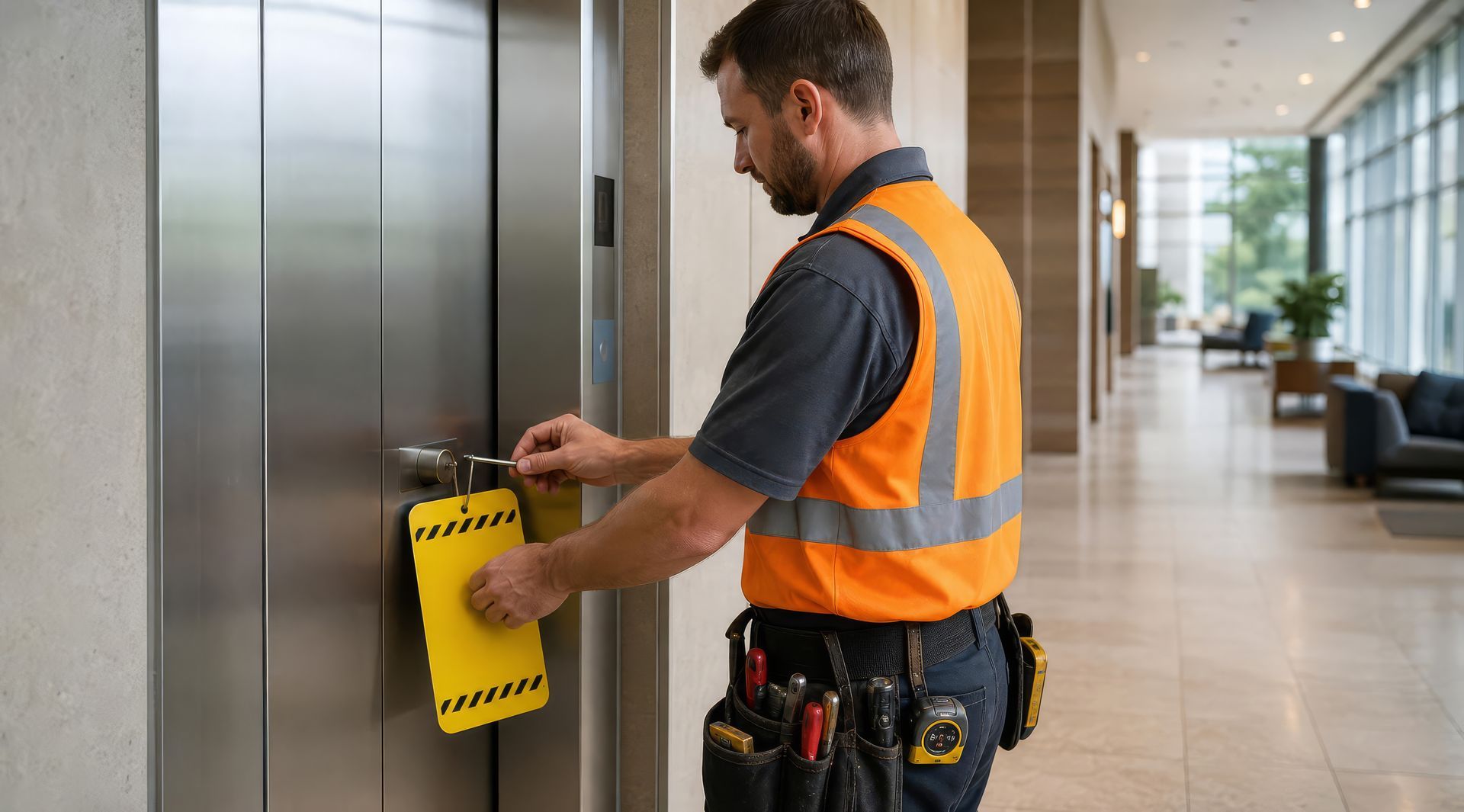
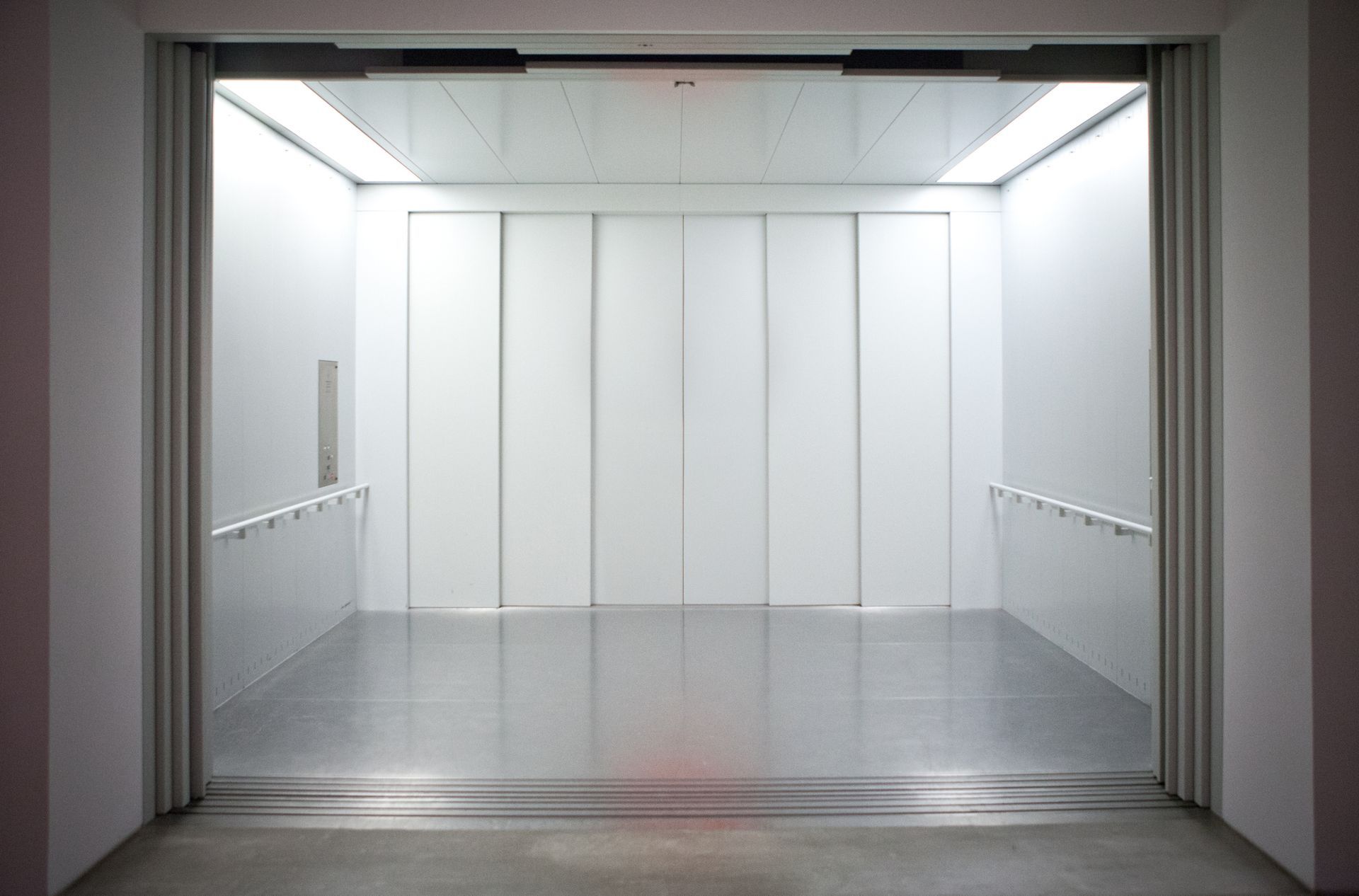
elevator maintenance is something every building owner needs to understand, and 2026 is a good time to make sure your schedule is airtight. This guide covers recommended maintenance intervals, Texas inspection requirements, what a service visit typically includes, and when a full maintenance contract makes sense.
How Often Does an Elevator Need Elevator Maintenance?
Most commercial elevators benefit from preventive maintenance at least once a month or once a quarter, depending on usage volume, building type, and equipment age. High-traffic buildings in dense Houston corridors, from Midtown office towers to mixed-use developments in the Heights or Greenway Plaza, may warrant monthly attention, while lighter-use properties can often manage with quarterly visits. The goal is always to catch small issues before they grow into costly repairs.
What Does Texas Law Require for Elevator Inspections?
Texas has clear legal requirements that go above and beyond general upkeep. Annual inspections are required per ASME A17.1-2016 and Texas Administrative Code Chapter 74, and must be conducted by TDLR-licensed inspectors. The Certificate of Inspection must be posted in the elevator car and renewed annually.
For traction elevators, Category 5 inspections are required every five years, and some tests must be performed at full or 125% capacity load. Owners are responsible for ensuring inspections occur and required documents and fees are submitted. Missing a deadline can put your certificate of operation at risk.
What Does a Typical Elevator Maintenance Visit Include?
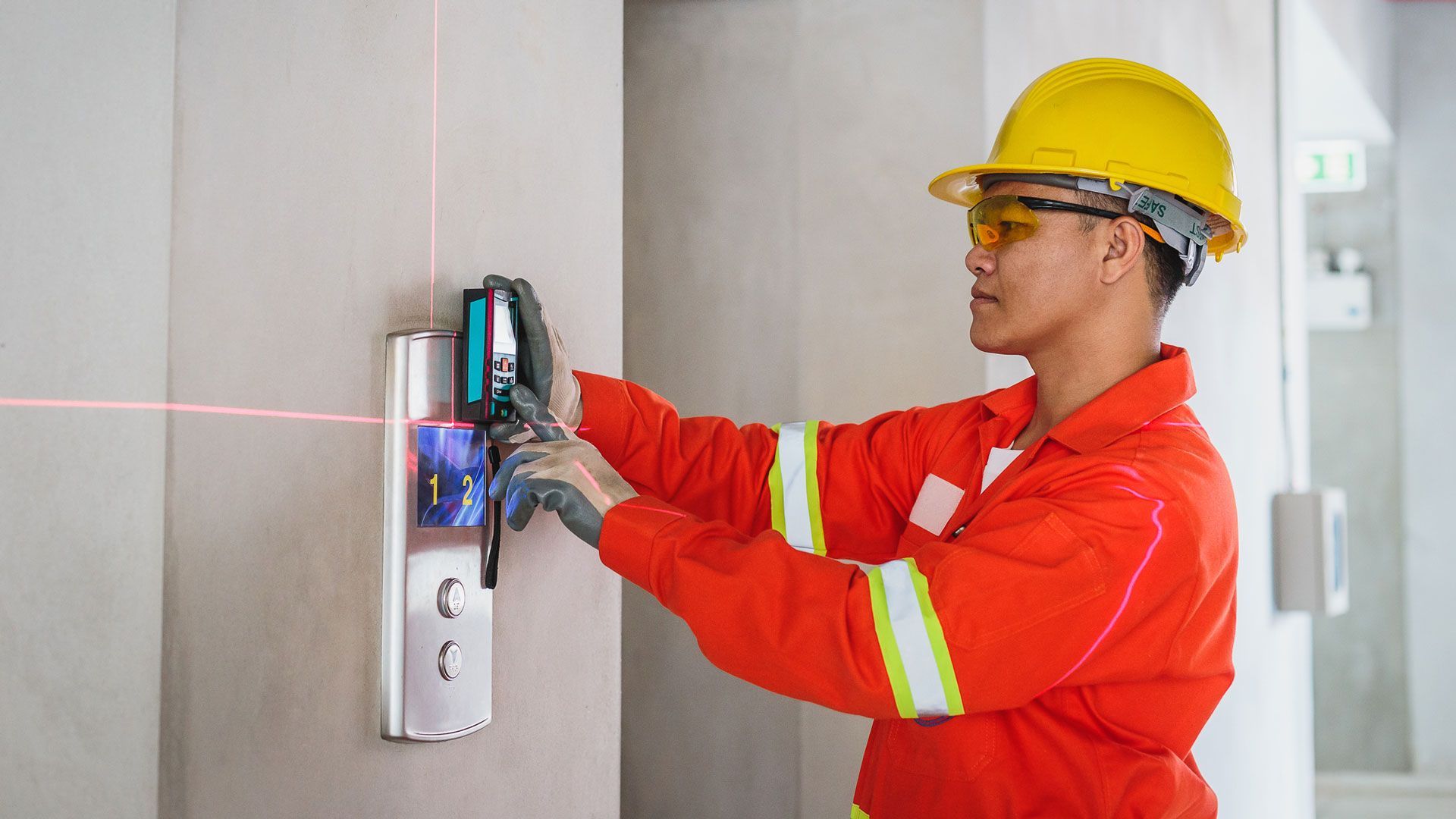
A standard preventive maintenance visit for a commercial elevator in Houston, TX, typically covers:
- Lubrication of moving parts and mechanical components.
- Testing of door operation, safety sensors, and emergency stops.
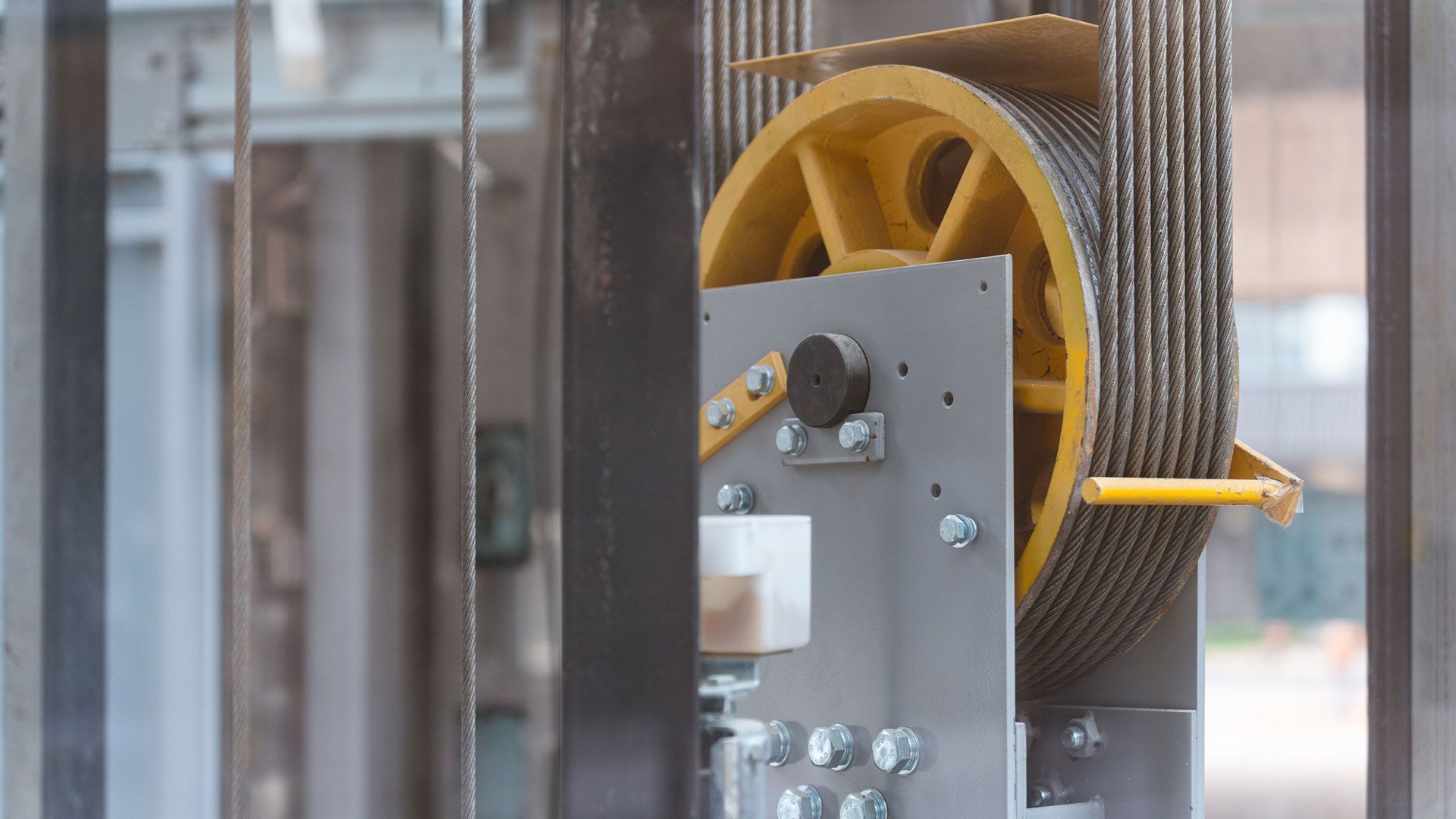
- Inspection of cables, sheaves, and hydraulic fluid levels.
- Review of the machine room, including lighting and ventilation.
- Documentation of findings and any recommended follow-up work.
Detailed service records matter. Customer portal access to previous inspections and upcoming schedules helps building owners stay consistently on track.
What Happens When Maintenance Is Deferred?
Skipping or delaying maintenance can have serious consequences. Equipment failures can strand tenants or visitors, trigger liability claims, and result in costly emergency call-outs. Preventive maintenance identifies issues early and saves money in the long run.
Houston's humid Gulf Coast climate also plays a role. High ambient humidity and heat accelerate wear on hydraulic seals, electrical components, and cable systems, making consistent upkeep especially important compared to drier climates.
When Should You Consider a Full Maintenance Contract?
A full service contract may be worth exploring if your elevator is older, handles high daily traffic, or has had repeated service calls. Maintenance programs can be tailored to each customer's specific needs. A structured contract typically locks in priority response times, scheduled visits, and parts coverage, simplifying budgeting and reducing unplanned downtime.
Get Expert Elevator Maintenance Support!
Dynamic Elevators provides commercial elevator maintenance serving Houston, TX, and surrounding areas, including Galveston and the greater Gulf Coast region. Our team is available 24/7 for both scheduled maintenance and emergency service.
Check our
Google Profile to see how we've helped building owners throughout the region. Ready to build a maintenance plan that fits your building?
Contact us today to speak with a specialist.