When a commercial elevator breaks down unexpectedly, every minute of downtime can affect tenant access, business operations, and building compliance in Houston, TX. At Dynamic Elevators, we know that elevator repair in Houston, TX is a time-sensitive matter, and knowing what to do in the first hours after a breakdown can reduce risk, limit liability, and help get your building back to normal faster. Commercial property managers who have a plan in place are far better positioned to respond quickly and minimize disruption when an unexpected failure occurs. If your elevator is already down, call Dynamic Elevators now at (713) 930-5600 for 24/7 emergency repair service.


Step One Is Always Passenger Safety

Passenger safety is the top priority the moment an elevator stops working. If anyone is trapped inside the cab, call 911 immediately and stay in contact with the passenger through the intercom or phone until help arrives. Do not attempt to open the doors manually or allow untrained staff to try to free the passenger on their own.


Once the cab is confirmed empty and secured, place clear signage at every landing to prevent further access. A simple "Out of Service" notice at each floor can reduce confusion and protect you from liability while the unit is down.


Secure the Area and Document Everything

After an elevator goes out of service, document the breakdown thoroughly. Note the time the unit stopped, any sounds or warning signs that appeared beforehand, the floor where the cab came to rest, and any error codes displayed on the control panel. Take photos if you can access the machine room or control panel safely.


This documentation matters for two reasons. First, it helps our repair technician diagnose the issue faster when they arrive on-site. Second, it creates a record that may be important for insurance purposes or state inspection follow-up.


Common Causes of Commercial Elevator Breakdowns

Commercial elevators in Houston, TX can stop working for several reasons. Understanding the most likely causes can help you communicate clearly with our repair team when you call:


  • Hydraulic fluid issues such as low oil or contaminated fluid are among the most common causes of hydraulic elevator failures.
  • Worn or damaged door components including rollers, cams, and sensors can prevent doors from opening or closing correctly.
  • Control board or electrical faults may cause the elevator to stop responding or behave erratically.
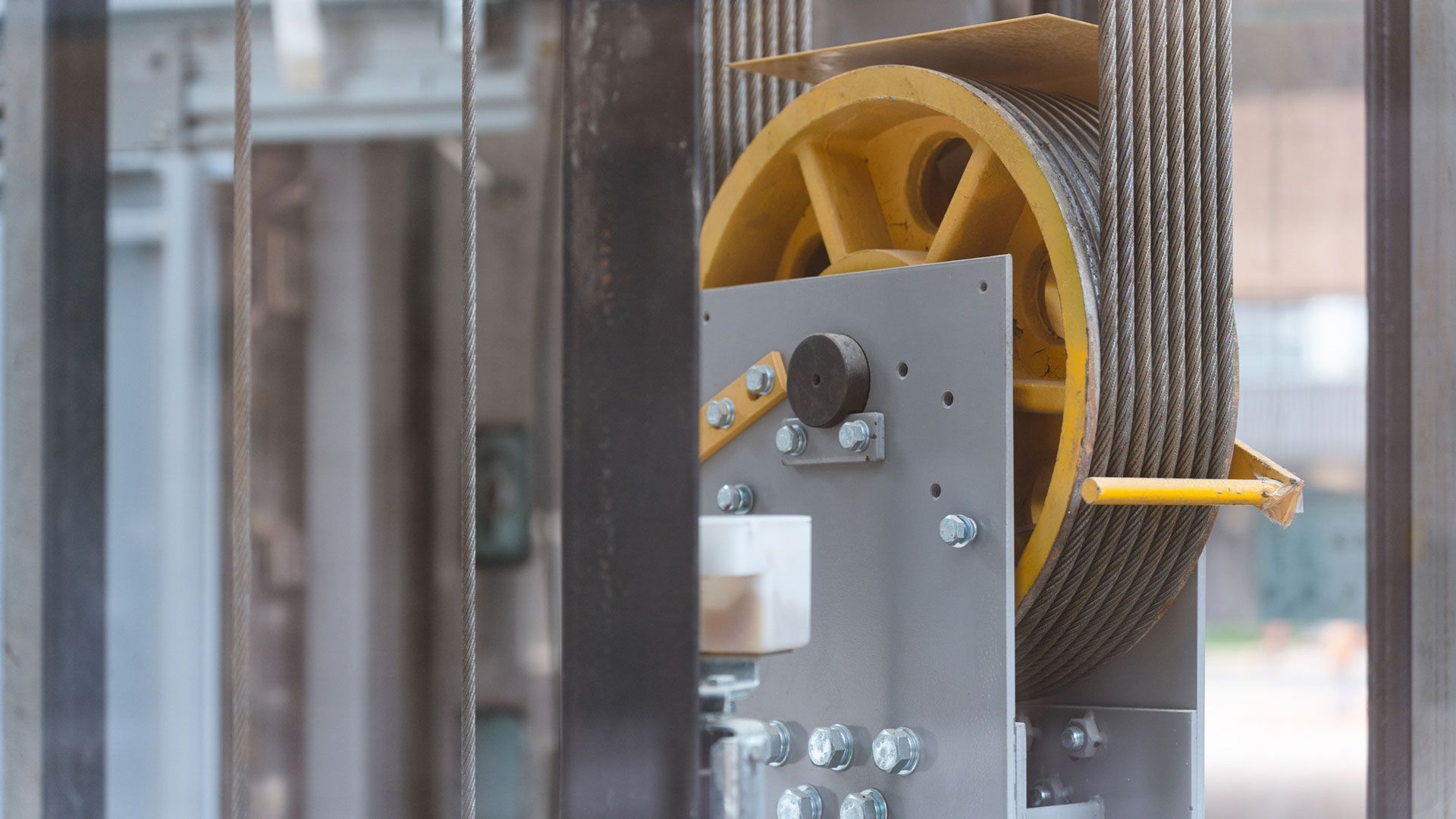
  • Worn sheaves, ropes, or guides on traction units may trigger safety devices that take the unit offline.
  • Lubrication deficiencies in guide rails and moving parts that require oil and grease can lead to premature wear and unexpected shutdowns.


What Should You Do Before the Technician Arrives?

Preparing ahead of a technician visit can speed up the repair process. Gather the elevator's service history, model number, and any recent inspection reports before our technician arrives. This information gives our team a clearer picture of the unit's condition from the moment we step on-site.


Also confirm that your machine room is accessible and free of any stored equipment or clutter that could slow the repair. A clear, ready machine room means we can get to work right away.


Understanding Texas Elevator Compliance After a Breakdown

Texas elevator regulations, overseen in part by the Texas Department of Insurance (TDI), require that elevators meet established safety standards before returning to service. After a significant mechanical failure, some repairs may require a state inspection before the unit can legally operate again.


This is especially important for commercial building owners in Houston, TX, where multi-story office buildings, hospitals, and retail centers rely on continuous elevator access. Working with our licensed technicians, who are well versed in Texas compliance requirements, helps ensure your unit is cleared properly and without delay.


How Houston's Climate Can Affect Elevator Performance

Houston, TX brings its own environmental challenges for commercial elevator systems. High humidity levels can accelerate corrosion on metal components and affect hydraulic fluid viscosity over time. Extreme heat during summer months may cause overheating in machine rooms that lack proper ventilation.


Building owners in Houston, TX should factor these local conditions into their regular service plans. Consistent lubrication using the right grade of oil and grease for the environment can help extend the life of moving parts and reduce the likelihood of weather-related failures. 


How Do You Choose the Right Elevator Repair Company in Houston?

The right elevator repair company should be licensed, familiar with Texas compliance standards, and available around the clock for emergency calls. Commercial elevator downtime is not a 9-to-5 problem, and your repair provider should not be either.


Look for a company that services all makes and models of commercial elevators, including hydraulic, traction, freight, and dumbwaiter units. Ask whether they offer 24/7 emergency response, because in a busy commercial building, a breakdown at 7 PM on a Friday can be just as disruptive as one during normal business hours.


Ready to Get Your Elevator Running Again in Houston?

At Dynamic Elevators, we provide elevator repair in Houston, TX for commercial buildings of all types, with 24/7 emergency response and technicians experienced across all major makes and models. Whether your building hosts office tenants, medical staff, or retail visitors, our team is equipped to diagnose and resolve the problem efficiently.


To request service or speak with a technician, visit our service request page or call (713) 930-5600 today. You can also learn more about our commercial elevator repair services to understand what to expect from the repair process. Find us on Google Maps to confirm location details and read reviews from commercial clients across the Houston area.
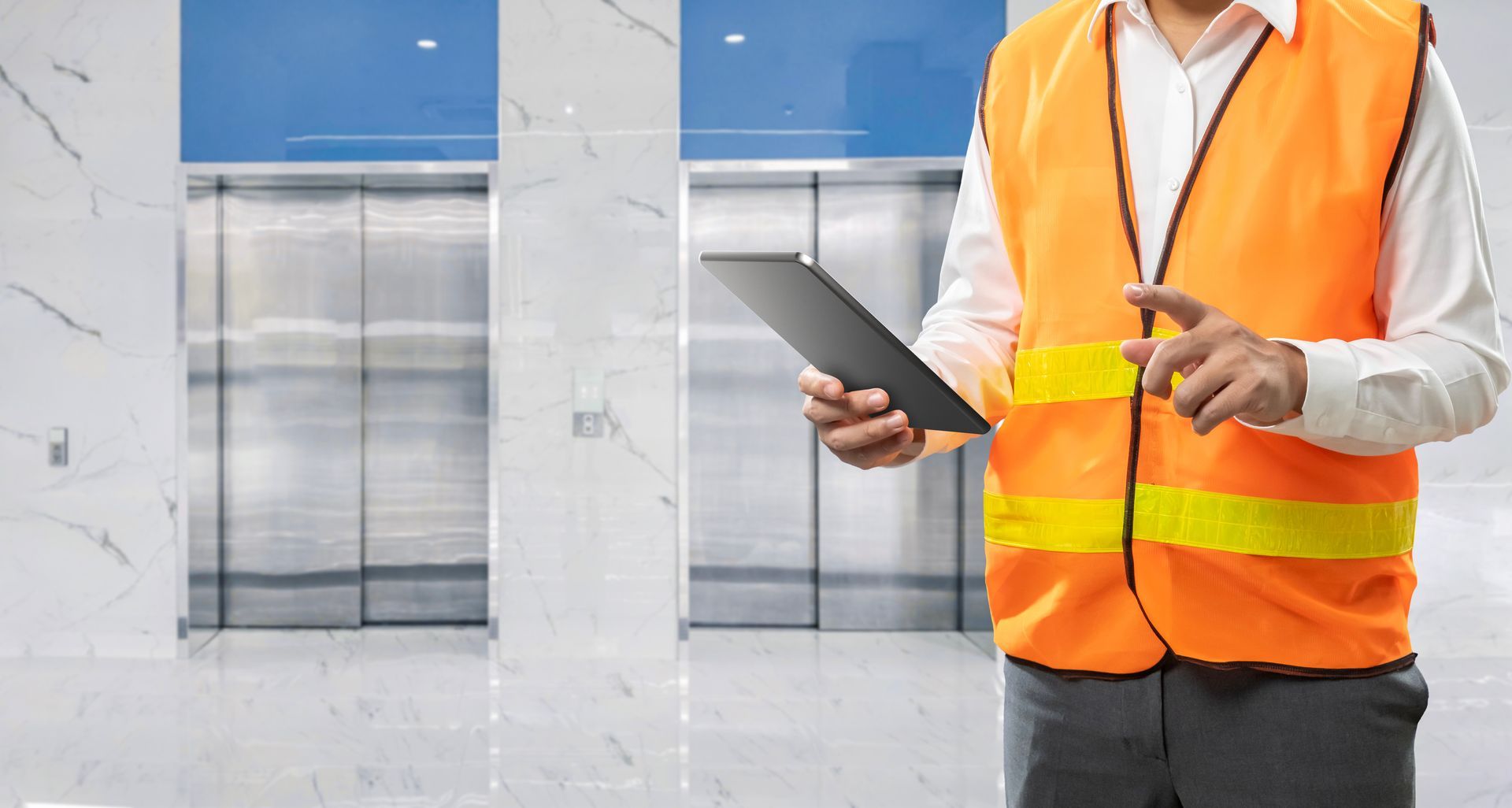
Technician holding a tablet during routine elevator maintenance in a modern office lobby.
By Michael Forse • October 5, 2026
Dynamic Elevators explains elevator maintenance in Houston, TX inspection rules to keep your building TDLR compliant. Call (713) 930-5600 today.
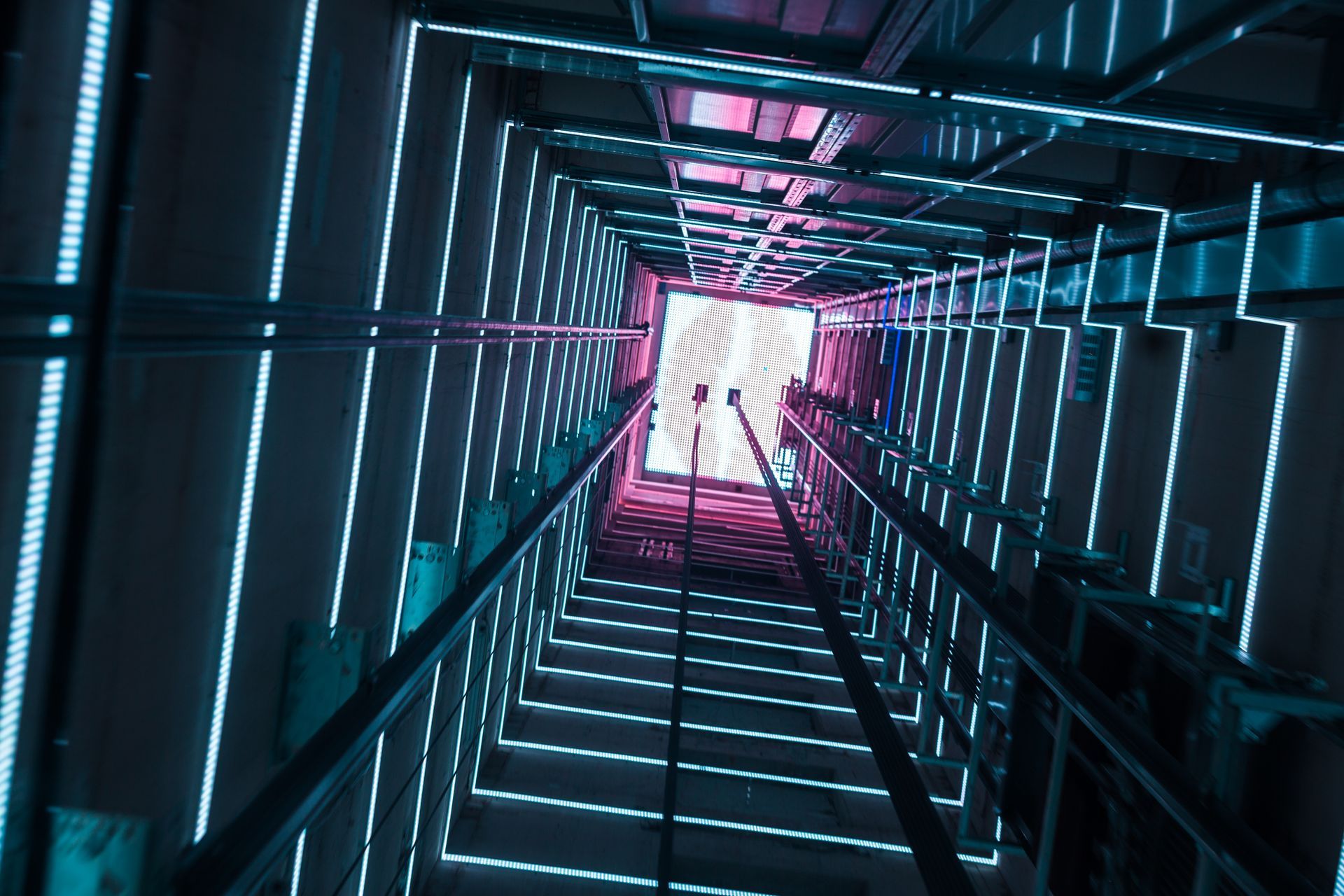
Looking up an illuminated elevator shaft with glowing blue and pink LED lights.
July 28, 2026
Learn how often elevator maintenance is required for Houston commercial buildings with Dynamic Elevators! Click here to keep reading.
Frieght Elevator  maintenace repairs
October 10, 2023
Elevators are an integral part of our daily lives, silently shuttling us up and down buildings without much thought. However, the history and mechanics behind these vertical transportation marvels are fascinating. In this blog post, we'll take a closer look at elevators, from their humble beginnings to their modern-day innovations. The Early Days: Elevators have been around for centuries, albeit in primitive forms. Ancient civilizations like the Egyptians and Greeks used rudimentary systems to lift heavy loads. The earliest documented "elevator" dates back to the Roman Empire when human and animal power were harnessed to lift goods and people. The Industrial Revolution: The 19th century brought significant advancements in elevator technology. Innovators like Elisha Otis revolutionized the industry with the invention of the safety brake in 1852. This breakthrough made elevators safer and paved the way for taller buildings. Skyscrapers and Elevators: The advent of skyscrapers in the late 19th and early 20th centuries created a pressing need for faster and more efficient elevators. Companies like Otis Elevator Company and others responded with innovations like electric elevators and automatic controls. These developments allowed buildings to soar to new heights, changing city skylines forever. Modern Elevators: Today, elevators are marvels of engineering and technology. High-speed elevators can travel at dizzying speeds, and smart elevators use AI and data analytics to optimize performance. Destination dispatch systems efficiently group passengers heading to the same floors, reducing wait times and energy consumption. Sustainability and Green Elevators: As environmental concerns grow, so does the push for greener elevators. Regenerative drives capture and reuse energy during elevator descent, and eco-friendly materials are used in construction to reduce the carbon footprint of elevators.  Conclusion: Elevators have come a long way from their humble origins, transforming the way we live and work in tall buildings. From the safety brake to smart technology, these vertical transport systems continue to evolve, shaping the cities of the future. The next time you step into an elevator, take a moment to appreciate the engineering marvel that makes your vertical journey possible.
Mechanic finishing installation of commercial elevator in Houston Texas.
October 10, 2023
Elevators are a crucial component of modern buildings, ensuring that people and goods can move efficiently between floors. Whether you're installing a new elevator, modernizing an existing one, or in need of maintenance and repairs, finding the right elevator contractor is of paramount importance. This blog will guide you through the process of selecting a reliable and qualified elevator contractor for your project. Determine Your Project Needs Before embarking on your search for an elevator contractor, it's essential to clarify your project's specific requirements. Consider the following: New Installation: Are you building a new structure and need a new elevator installed? Modernization: Is your existing elevator system outdated and in need of upgrades to meet current safety and efficiency standards? Repairs and Maintenance: Are you looking for routine maintenance or repairs for an existing elevator? Understanding your project's scope will help you communicate your needs effectively when consulting with contractors. Research Elevator Contractors Start your search for elevator contractors by conducting thorough research. You can employ the following strategies: Ask for Recommendations: Seek referrals from colleagues, friends, or other building owners who have had elevator work done. Online Search: Use search engines and professional directories to find elevator contractors in your area. Industry Associations: Consult industry associations like the National Association of Elevator Contractors (NAEC) to find reputable contractors. Verify Credentials and Licensing Once you've identified potential contractors, the next step is to verify their credentials and ensure they are properly licensed and certified. Elevator contractors should have the following qualifications: Appropriate Licensing: Ensure the contractor holds the necessary licenses and certifications required by local and state authorities. Insurance: Confirm that the contractor has adequate liability insurance to cover any accidents or damages during the project. Experience: Check the contractor's experience in elevator installation, modernization, and maintenance, as well as their portfolio of completed projects. Request and Evaluate Quotes Request detailed quotes from multiple elevator contractors. The quotes should include a breakdown of costs, project timeline, and a list of materials and equipment to be used. Be sure to compare these quotes, but don't automatically go with the lowest bidder. Consider the quality of materials and workmanship in your evaluation. Check References Ask the elevator contractor for a list of references, and contact these past clients to inquire about their experiences. Questions to consider include: Did the project stay within the budget? Was the project completed on time? How was the quality of work? Were there any issues or disputes, and if so, how were they resolved? Gaining insights from previous clients can provide valuable information about the contractor's reliability and professionalism. Visit Ongoing or Completed Projects If possible, visit projects the contractor is currently working on or has completed recently. This will give you a firsthand look at the quality of their work, their attention to detail, and how they manage their projects. Assess Communication and Customer Service Effective communication and customer service are vital aspects of any successful elevator project. Ensure that the contractor is responsive to your inquiries and that they listen to your needs and concerns. Sign a Detailed Contract Once you've selected a contractor, it's crucial to have a comprehensive contract in place. The contract should outline project details, costs, payment schedules, project timeline, warranty, and dispute resolution procedures. Conclusion Finding the right elevator contractor is essential for the success of your elevator project. By following these steps, you can make an informed decision and select a contractor who is qualified, reliable, and committed to delivering a safe and efficient elevator system for your building. Remember that investing time and effort in the selection process will pay off in the long run with a smooth and successful project.
Elevator Annual Inspection being on Hospital Elevator.
October 10, 2023
Elevators have become an essential part of our daily lives, enabling vertical mobility in tall buildings and providing convenience to millions of people around the world. However, while we often take these mechanical marvels for granted, their reliability and safety depend on one critical factor – elevator maintenance. In this blog post, we'll explore the importance of elevator maintenance and why it should never be overlooked. 1. Safety First The primary and most crucial reason for elevator maintenance is safety. Elevators transport people and goods up and down buildings, and any malfunction can lead to potentially life-threatening situations. Regular maintenance ensures that all safety systems are in optimal working condition, such as emergency brakes, over-speed governors, and fire safety features. By keeping these systems in check, elevator maintenance minimizes the risk of accidents, breakdowns, and injuries. 2. Legal Requirements Elevator maintenance isn't just a good practice; it's often a legal requirement. Many countries and local authorities have strict regulations in place to ensure that elevators are maintained to specific standards. Failure to comply with these regulations can result in hefty fines or even the shutdown of the elevator. Keeping up with maintenance not only ensures safety but also ensures compliance with the law. 3. Prolonging Lifespan Elevators are substantial investments, and their replacement can be expensive. Regular maintenance can significantly extend the lifespan of an elevator. Well-maintained elevators not only operate more efficiently but also have a longer functional life, reducing the need for costly replacements. By addressing issues early on, maintenance prevents small problems from developing into major, expensive repairs. 4. Enhanced Performance Imagine the frustration of waiting for an elevator that takes an eternity to arrive, only to experience a jerky, uncomfortable ride. Regular maintenance keeps elevators running smoothly and efficiently. This means faster response times, smoother acceleration and deceleration, and fewer disruptions. A well-maintained elevator enhances the overall experience for users and contributes to a building's reputation. 5. Energy Efficiency In today's world, energy efficiency is a key concern. Elevators are known for consuming a significant amount of energy in buildings. Regular maintenance ensures that all mechanical and electrical components are working at their best, reducing energy consumption. By optimizing the elevator's performance, building owners can lower their energy bills and reduce their environmental footprint. 6. Cost Savings Neglecting elevator maintenance may lead to unexpected breakdowns and costly repairs. Emergency repairs, downtime, and replacement parts can add up quickly, creating financial strain for building owners. On the other hand, preventive maintenance, which is usually less expensive, can identify and address issues before they become major problems. This approach saves money in the long run and preserves the financial health of the building's budget. Conclusion Elevator maintenance is not just an optional service; it's a fundamental necessity for the safety, reliability, and efficiency of any building with an elevator. It ensures that elevators function correctly, comply with regulations, last longer, and save money in the process. Neglecting maintenance can result in accidents, legal troubles, inconvenience, and increased costs. Elevators make our vertical world possible, and maintaining them is our responsibility to ensure a safe and smooth ride.