Commercial elevator maintenance in Houston, TX, is governed by specific inspection requirements that every building owner and property manager needs to understand. At Dynamic Elevators, we work with managers of office complexes, hospitals, hotels, and other multi-story commercial facilities throughout Houston, TX, to help them stay current with elevator inspections, which is one of the most critical compliance responsibilities any building owner faces. Skipping or delaying required inspections can lead to equipment failure, safety risks, and costly penalties. This guide breaks down what Texas law requires, what happens during a commercial elevator inspection, and why routine elevator maintenance in Houston, TX, matters for your building's long-term safety and operation. Call us today at (713) 930-5600 to speak with our team about keeping your building compliant.
What Texas Law Requires for Commercial Elevator Inspections
Texas mandates annual inspections for commercial elevators operating in public buildings. Under Texas Health and Safety Code Chapter 754, commercial elevators in office buildings, hotels, shopping centers, hospitals, and other public-facing facilities must comply with inspection and maintenance standards regulated by the Texas Department of Licensing and Regulation (TDLR). All inspections must follow the ASME A17.1 Safety Code for Elevators and Escalators, which Texas has formally adopted. The inspection itself must be conducted by a TDLR-licensed inspector holding a Qualified Elevator Inspector (QEI) certification.
Here is a quick summary of the core inspection schedule for commercial elevators in Texas:
- Annual inspection is required once every 12 months, performed by a TDLR-licensed QEI inspector.
- Category 1 periodic test is required annually, covering no-load safety device checks and maintenance verification.
- Category 5 full-load, full-speed comprehensive safety test is required once every five years, witnessed by a licensed inspector.
- Acceptance inspection is required before a newly installed or substantially altered elevator may be placed into service.
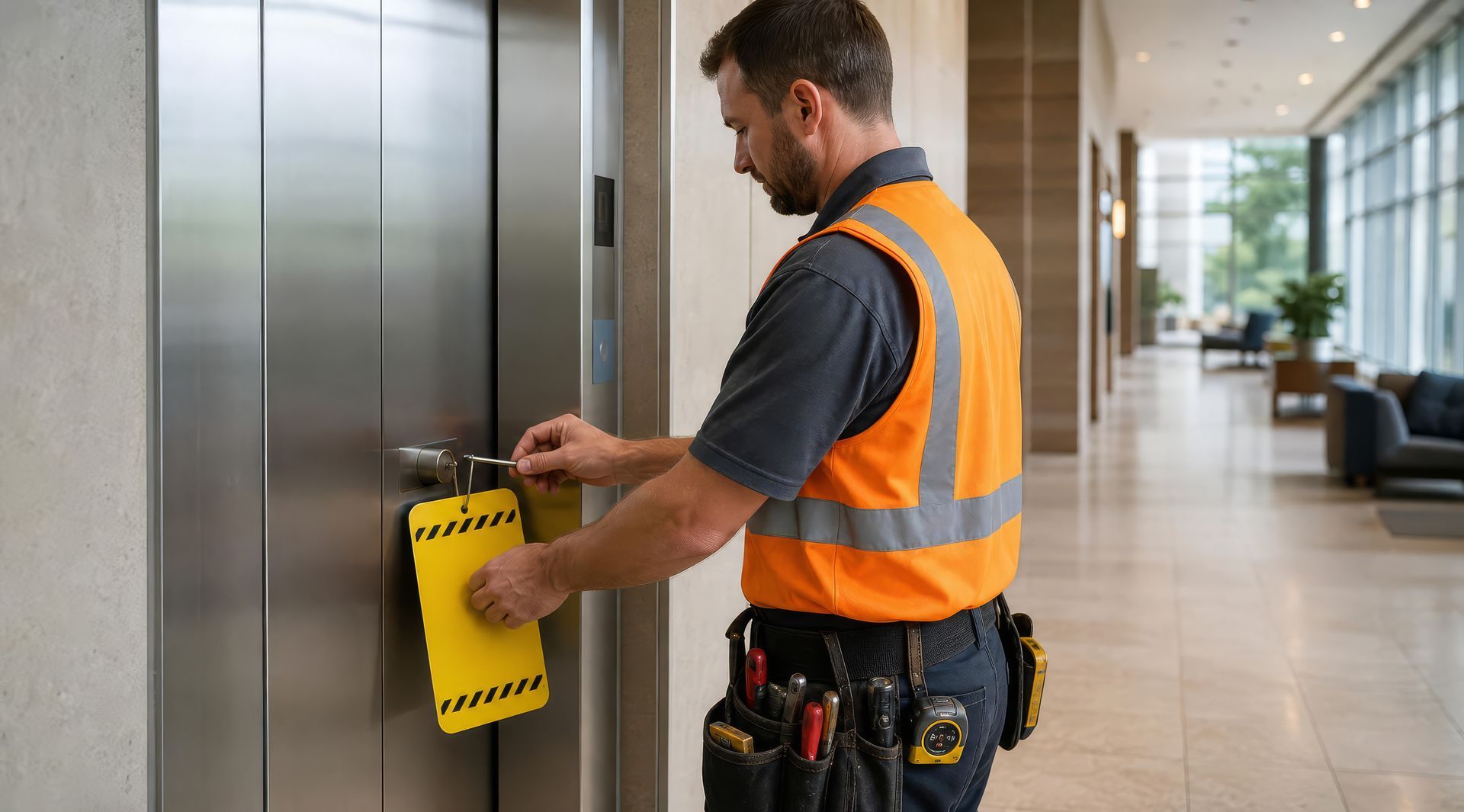
After a successful inspection, a Certificate of Inspection is issued and must be posted inside the elevator car at all times. That certificate is valid for one year, and building owners are responsible for renewing it on schedule.
What Gets Checked During a Commercial Elevator Inspection
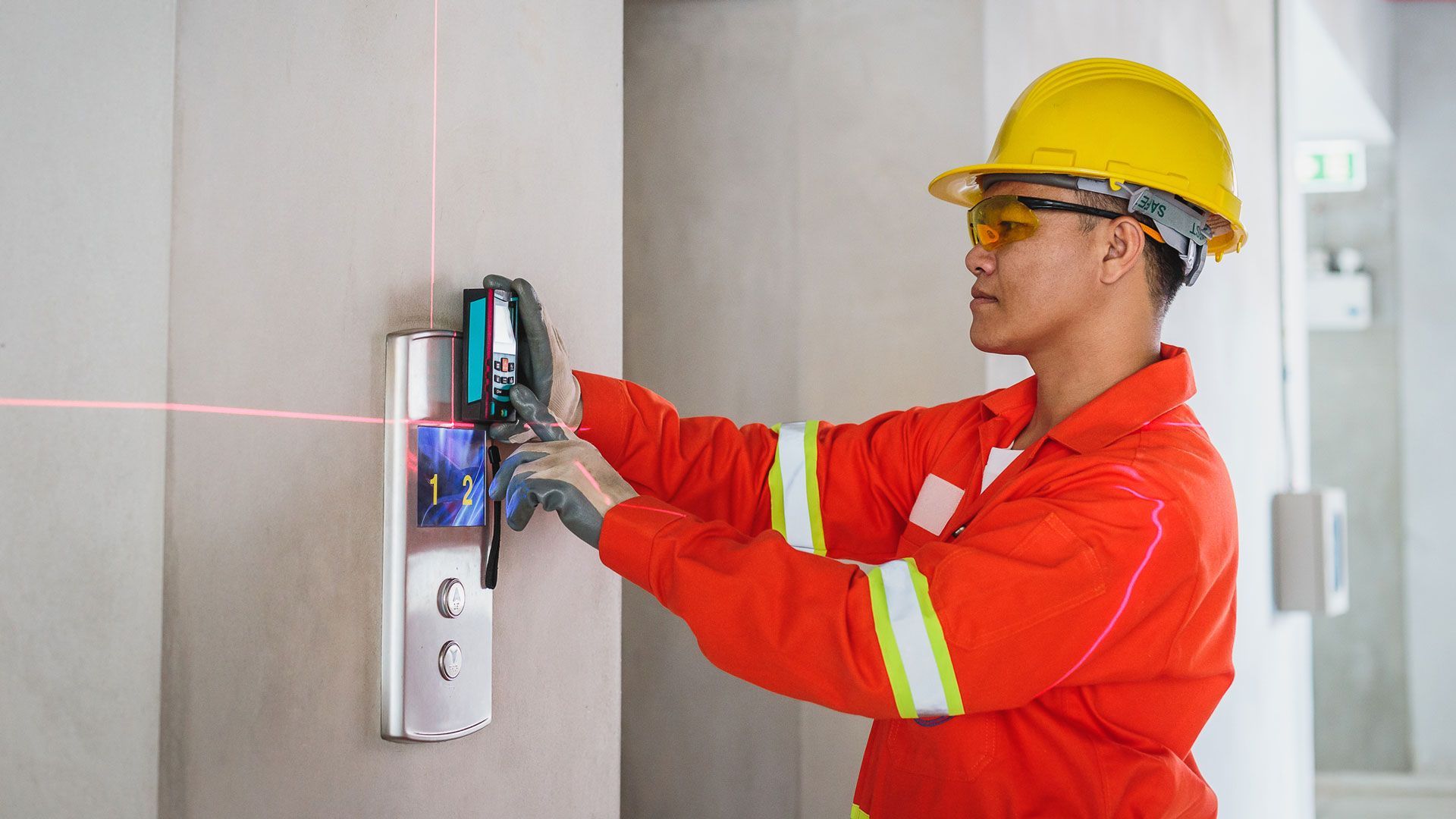
A Texas commercial elevator inspection is thorough. Inspectors review mechanical, electrical, and structural components to confirm the unit meets all applicable safety codes. For commercial buildings in Houston, TX, that means examining everything from the cab and doors to the pit, hoistway, machine room, and emergency communication systems.
Common items reviewed during a commercial elevator inspection include the following:
- Door operation, alignment, and safety sensor function.
- Safety devices such as governors, buffers, and safeties.
- Emergency lighting and phone or communication systems.
- Hydraulic fluid levels and condition for hydraulic elevator types.
- Oil and grease lubrication on moving mechanical components.
- Control systems, wiring, and electrical panel condition.
- Fire service operation and firefighter emergency recall function.
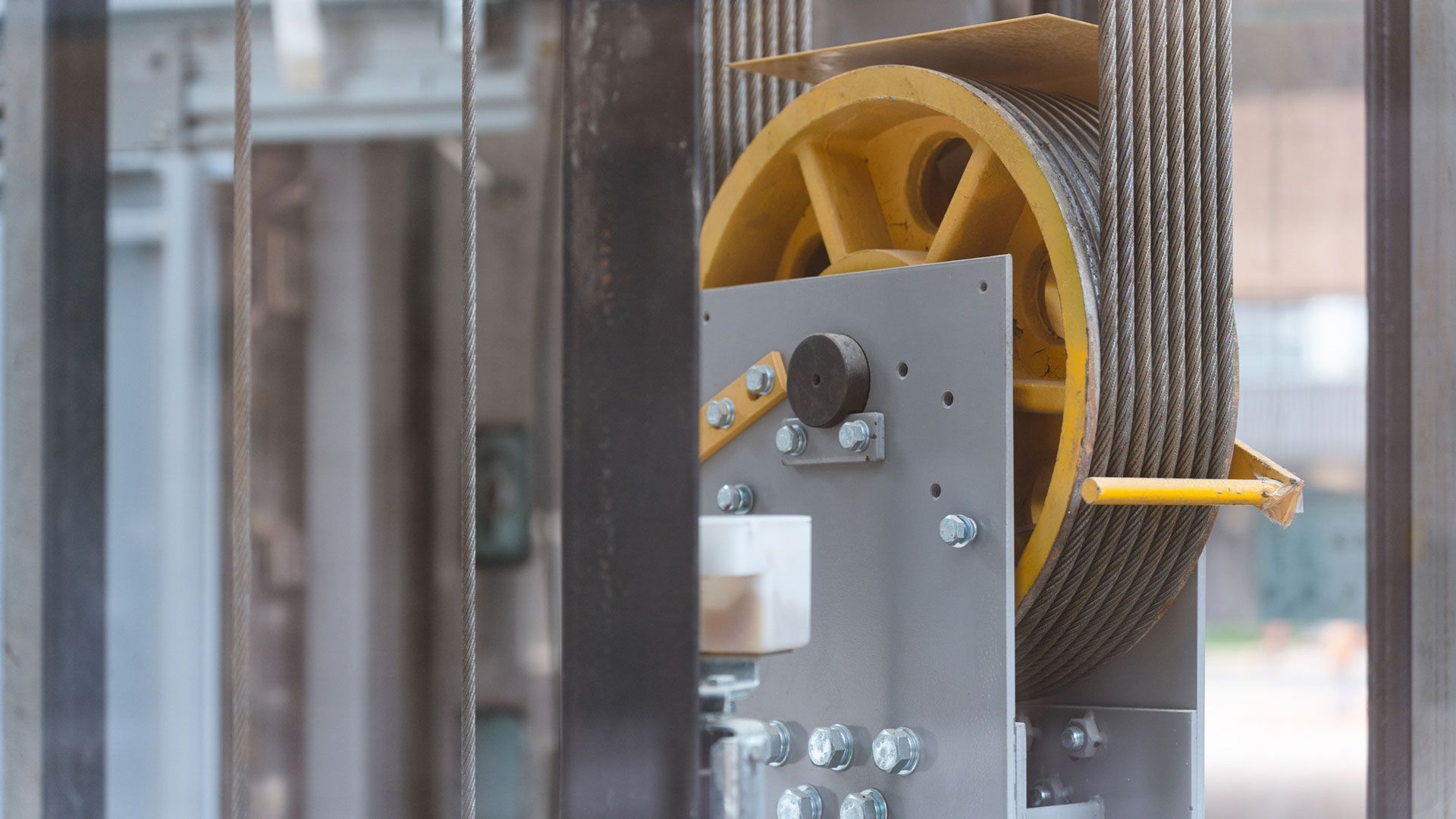
Proper lubrication with the right oil and grease is a foundational part of keeping commercial elevator components running correctly between formal inspections. Neglecting this between inspection cycles can accelerate wear on critical parts, increasing the likelihood of breakdowns or failed inspection results.
Why Routine Maintenance Matters Between Inspections
Annual inspections confirm compliance, but routine service visits are what keep a commercial elevator performing safely day to day. Our commercial elevator maintenance in Houston, TX, typically involves scheduled visits to check and service mechanical components, apply appropriate lubrication, and address minor issues before they grow into larger, more expensive problems.
Houston's climate can also play a role in elevator performance. High humidity levels common in Southeast Texas may affect electrical components and accelerate corrosion on metal parts if equipment is not serviced regularly. Investing in elevator maintenance in Houston, TX, helps protect your equipment from the unique environmental conditions of the region and reduces the risk of weather-related deterioration over time.
A few of the practical benefits commercial building owners can expect from consistent maintenance include the following:
- Reduced risk of unexpected breakdowns and costly emergency repairs.
- Longer operational lifespan for major elevator components.
- Smoother ride quality and better performance for building occupants.
- Stronger likelihood of passing annual inspections without deficiencies.
- Better documentation history if disputes or liability questions arise.
Frequently Asked Questions
1. What Happens If Your Elevator Fails Inspection
If a commercial elevator fails its annual inspection in Texas, the unit may be taken out of service until the identified deficiencies are corrected. Building owners are responsible for arranging repairs promptly and scheduling a follow-up inspection before the elevator can legally return to operation. Operating a commercial elevator without a valid Certificate of Inspection can result in regulatory penalties and increased liability exposure for building owners.
2. How to Stay Ahead of Inspection Deadlines
Tracking inspection due dates is an important part of commercial building management. Keeping a record of your elevator's inspection history, service logs, and certificate expiration dates helps ensure nothing falls through the cracks. Texas regulators also recommend maintaining a digital copy of your inspection records, particularly if your facility undergoes renovations or staff changes that could disrupt your documentation.
Ready to Stay Compliant With Elevator Inspections in Houston?
Dynamic Elevators proudly serves Houston, TX, and surrounding commercial facilities with elevator repair, maintenance, and service that keeps equipment running safely and in line with TDLR requirements. We work on commercial elevator types including hydraulic, traction, freight, dumbwaiters, and more, servicing any make or model. With 50-plus years of combined industry experience, we support commercial building owners and facility managers in staying compliant and keeping their equipment reliable year-round.
To schedule a service visit or learn more about commercial elevator service options,
visit our elevator service and maintenance page or
submit a service request online. You can also
call (713) 930-5600 to speak with our team directly.
Find us on Google Maps for directions and additional details.